242 Inpatient Beds · 24-Hour Multidisciplinary Rehabilitation Care in Seoul
4.9 Patient Satisfaction
en-US

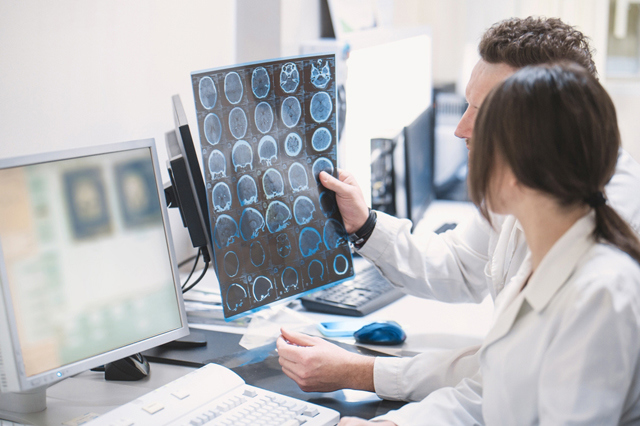
· Needs Clinic Confirmation
Stroke Diagnosis & Treatment
Stroke Diagnosis & Treatment at SEOUL NOVOS HOSPITAL provides comprehensive evaluation and acute-to-rehabilitative care for cerebrovascular conditions.
Schedule a ConsultationWhat Is Stroke Diagnosis & Treatment?

Stroke Diagnosis & Treatment at SEOUL NOVOS HOSPITAL encompasses the rapid evaluation, acute stabilization, and comprehensive management of cerebrovascular events — including both ischemic strokes (caused by blocked blood vessels) and hemorrhagic strokes (caused by bleeding in the brain). Recognizing that timely intervention is critical to minimizing permanent neurological damage, the hospital integrates advanced neuroimaging with specialized neurological care to support patients from initial presentation through acute recovery.
Operating as a 242-bed hospital with 24-hour inpatient capacity and a dedicated rehabilitation team of approximately 150 therapists and 150 nursing staff, stroke care at SEOUL NOVOS HOSPITAL is structured around continuity: patients do not merely receive emergency stabilization before being transferred elsewhere, but can transition smoothly into coordinated inpatient rehabilitation within the same specialized facility.
Who Needs Stroke Diagnosis & Treatment?
Stroke Diagnosis & Treatment is essential for individuals experiencing acute neurological symptoms or those requiring ongoing management following a cerebrovascular event.
- Individuals experiencing sudden neurological warning signs such as facial drooping, arm weakness, speech difficulty, or sudden severe headache (FAST symptoms)
- Patients diagnosed with transient ischemic attacks (TIAs or "mini-strokes") requiring preventative evaluation
- Individuals with cardiovascular risk factors (hypertension, diabetes, atrial fibrillation) seeking stroke risk assessment and prevention
- Patients recovering from acute stroke needing coordinated inpatient or outpatient neurological rehabilitation
- Individuals experiencing balance disorders, dizziness, or cognitive changes related to cerebrovascular disease
- Patients requiring post-stroke swallowing, speech, or motor skill retraining to regain functional independence
- Individuals seeking comprehensive neurological follow-up after hospital discharge following a stroke
Meet the Neurology Specialist
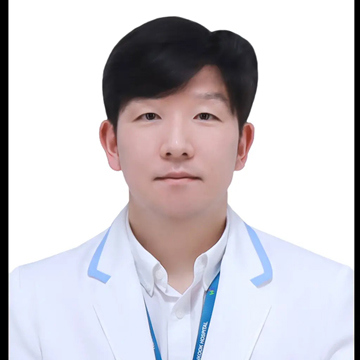
Dr. Jeong Yong Jin
Neurology Expert
Stroke Diagnosis & Treatment at SEOUL NOVOS HOSPITAL is led by Dr. Jeong Yong Jin, head of the Department of Neurology.
Dr. Jeong is a graduate of Hanyang University College of Medicine, where he also completed his internship, Neurology residency, and clinical fellowship at Hanyang University Medical Center. His clinical expertise centers on cerebrovascular disease, stroke, headache, dizziness, and neurodegenerative disorders. He holds active membership in the Korean Neurological Association and the Korean Stroke Society, bringing specialized academic and clinical rigor to the hospital's neurological services.
Dr. Jeong's approach to stroke care emphasizes the vital link between acute diagnostic accuracy and long-term recovery: identifying the precise vascular mechanism of a stroke allows the medical and rehabilitation teams to tailor secondary prevention and restorative therapies effectively from day one.
Stroke Diagnosis & Treatment: Treatment Areas and Expected Improvements
- Rapid Diagnostic Imaging: Utilizing Siemens 3.0T MRI and Canon 160-slice CT scanners to differentiate between ischemic and hemorrhagic stroke rapidly and accurately.
- Electrodiagnostic Evaluation: EMG and nerve conduction studies performed to assess peripheral nerve and muscle function following neurological compromise.
- Acute Stabilization and Medical Management: Rigorous blood pressure, glycemic, and vascular risk factor management to prevent secondary stroke extension.
- Integrated Neuro-Rehabilitation: Seamless transition into physical, occupational, and speech therapy led by specialized rehabilitation physicians and therapists.
What to Expect During Stroke Diagnosis & Treatment
Before Treatment and Evaluation
When a patient presents with suspected stroke symptoms or for specialized neurological evaluation, our medical team conducts an immediate clinical assessment.
For emergency presentations, rapid triage is initiated. For scheduled neurological consultations or post-stroke follow-ups, staff review previous medical records, current medications, and baseline functional status. Diagnostic orders — such as brain CT, MRI, or vascular imaging — are prepared in coordination with the Department of Radiology.
During the Evaluation and Care Process
The stroke care process involves both diagnostic imaging and clinical management:
- Diagnostic Scans: Patients undergo non-contrast head CT and/or 3.0T MRI to visualize brain tissue and blood vessels, identifying the exact location and nature of vascular blockage or hemorrhage.
- Neurological Examination: Dr. Jeong Yong Jin conducts detailed cranial nerve, motor, sensory, and coordination evaluations to quantify neurological impairment.
- Medical Management: Inpatient monitoring or outpatient pharmacological regimens are established to control blood pressure, manage cholesterol, and prevent blood clot formation.
- Rehabilitative Assessment: For patients requiring recovery support, physical and occupational therapists perform baseline functional evaluations to design individualized rehabilitation plans.
After Evaluation and During Recovery
Following acute evaluation or stabilization, patients receive a clear diagnosis and a structured ongoing care plan.
For inpatients, daily rehabilitation begins immediately within the hospital's dedicated wards, with progress monitored collaboratively by physicians, nurses, and therapists. For outpatients or discharged patients, follow-up appointments focus on medication management, secondary stroke prevention counseling, and ongoing functional progress reviews.
Possible Risks & Limitations
Stroke care at SEOUL NOVOS HOSPITAL is guided by evidence-based neurology and advanced diagnostic safety standards, but patients and families should be aware of certain medical considerations:
- Neurological Sequelae: Depending on the severity and location of the stroke, some degree of permanent neurological deficit may persist despite prompt intervention and comprehensive rehabilitation.
- Medication Side Effects: Secondary stroke prevention medications (such as antiplatelets or anticoagulants) carry inherent risks, including gastrointestinal discomfort or bleeding complications, requiring careful medical monitoring.
- Diagnostic and Interventional Limits: While advanced imaging provides exceptional clarity, acute cerebrovascular events can evolve rapidly, requiring continuous clinical observation and potential adjustments in the care plan.
- Recurrence Risk: Even with optimal medical management and lifestyle modifications, patients who have suffered a stroke carry a statistical risk of future cerebrovascular events, making ongoing risk factor control essential.
How long stroke recovery and preventative benefits last depend heavily on consistent medication adherence, blood pressure control, and ongoing engagement in rehabilitation exercises — recovery is an active, long-term process. As with any neurological condition, individual outcomes vary based on age, initial stroke severity, and overall health, and treatment results should be understood as maximizing functional recovery rather than guaranteeing a complete return to pre-stroke status.
Why Choose SEOUL NOVOS HOSPITAL for Stroke Diagnosis & Treatment?
Effective stroke care requires an uninterrupted bridge between accurate diagnosis, acute medical management, and restorative rehabilitation — a continuity that SEOUL NOVOS HOSPITAL is uniquely structured to provide. Under the leadership of Dr. Jeong Yong Jin, the Neurology department operates hand-in-hand with advanced imaging (Siemens 3.0T MRI, Canon 160-slice CT) and a massive 242-bed inpatient and rehabilitation infrastructure.
Unlike standalone clinics where acute care and rehabilitation exist in separate facilities, SEOUL NOVOS HOSPITAL houses approximately 150 therapists and 150 nursing staff working collaboratively under shared clinical protocols. This means a stroke patient can move seamlessly from neurological evaluation and acute stabilization into daily inpatient rehabilitation without bureaucratic delays or fragmented communication.
For international patients, Russian- and Chinese-language services are in development, with Korean- and Russian-speaking staff available on request to provide compassionate, clear communication throughout the care journey.
What Makes SEOUL NOVOS HOSPITAL Special:
- Expert neurological leadership under Dr. Jeong Yong Jin, specializing in cerebrovascular disease and stroke care
- Seamless transition from acute stroke diagnosis (Siemens 3.0T MRI, Canon CT) to inpatient rehabilitation
- Coordinated multidisciplinary care team comprising neurologists, rehabilitation physicians, 150 therapists, and 150 nurses
- 24-hour inpatient ward capacity supporting intensive, closely monitored recovery programs
Real Patient Examples
Ischemic Stroke Recovery Patient, 60s
Following a sudden ischemic stroke resulting in right-sided weakness, this patient was admitted under Dr. Jeong Yong Jin for acute stabilization and immediate neuro-rehabilitation. Utilizing 3.0T MRI guidance and daily physical and occupational therapy within the hospital's inpatient ward, the patient regained significant motor independence and mobility over several weeks of structured care.
TIA Prevention Patient, 50s
Presenting with temporary visual blurring and transient numbness, this patient underwent comprehensive neurological screening and vascular imaging. The evaluation identified early carotid atherosclerosis, allowing Dr. Jeong to initiate targeted antiplatelet therapy and lifestyle modifications that successfully prevented a major stroke event.
Protect Your Brain Health and Recovery
Time is brain. Whether you are seeking prevention counseling for stroke risk factors or expert neurological care following a cerebrovascular event, our specialist team is here to support your health and recovery.
[Schedule Your Stroke Care Consultation] — Meet with our neurology team for a comprehensive neurological assessment, expert stroke risk evaluation, and clear guidance on your diagnostic and recovery options.
FAQ
items
metaData
Other Services
Explore additional treatments offered by our specialists.
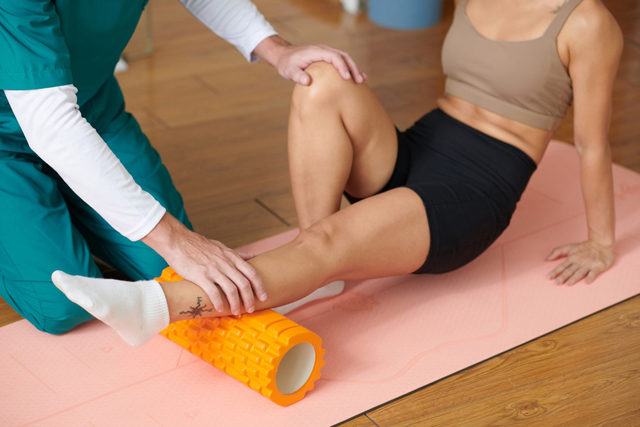
Sports Rehabilitation
Sports Rehabilitation is a structured, physician-guided recovery program designed specifically for athletes and physically active individuals recovering from a sports injury or sports-related surgery.
Learn More

Diabetes Lifestyle Management
Diabetes Lifestyle Management at SEOUL NOVOS HOSPITAL offers comprehensive medical evaluation, glycemic control, and personalized lifestyle guidance for diabetes care.
Learn More

Swallowing Rehabilitation
Swallowing Rehabilitation is a specialized neurological rehabilitation service utilizing clinical evaluation, swallowing therapy, and functional electrical stimulation to diagnose, treat, and overcome dysphagia following stroke or neurological impairment.
Learn More