242 Inpatient Beds · 24-Hour Multidisciplinary Rehabilitation Care in Seoul
4.9 Patient Satisfaction
en-US

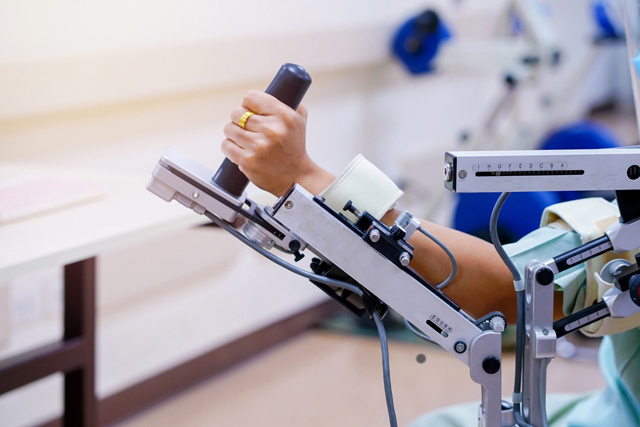
Neurological Rehabilitation · Needs Clinic Confirmation
Robotic Upper-Limb Rehabilitation
Robotic Upper-Limb Rehabilitation uses a specialized medical robot, the Rebless Planar, to assess, rehabilitate, and restore motor function in patients experiencing shoulder or elbow paralysis caused by musculoskeletal or neurological disorders.
Schedule a ConsultationWhat Is Robotic Upper-Limb Rehabilitation?

Robotic Upper-Limb Rehabilitation at SEOUL NOVOS HOSPITAL utilizes advanced assistive technology — specifically the Rebless Planar robotic system — to assess, rehabilitate, and restore motor function in patients experiencing shoulder or elbow impairment caused by stroke, brain injury, spinal cord conditions, or orthopedic trauma. Under the clinical direction of Dr. Lee Sang Kyu, Rehabilitation Medicine specialist, the department integrates high-tech robotic assistance with traditional physical therapy to optimize functional recovery.
The Rebless Planar system provides targeted, repetitive, and precise movement therapy for the upper extremities, allowing patients with significant initial weakness to engage in structured movement patterns that stimulate neuroplasticity and rebuild muscular strength.
Who Needs Robotic Upper-Limb Rehabilitation?
Robotic Upper-Limb Rehabilitation is appropriate for patients recovering from neurological or musculoskeletal conditions affecting shoulder, elbow, or arm function who can benefit from high-repetition, mechanically guided therapy.
- Patients recovering from stroke experiencing hemiparesis or upper-limb paralysis
- Individuals with traumatic brain injury or spinal cord injury affecting arm mobility
- Patients rehabilitating after orthopedic surgery or severe fracture of the shoulder or elbow
- Individuals with neurodegenerative conditions requiring maintenance or support of upper-limb function
- Patients experiencing chronic muscle stiffness, spasticity, or joint contractures in the upper extremities
- Individuals whose recovery has plateaued with conventional therapy alone and who need high-intensity robotic training
- Patients referred by rehabilitation medicine specialists for targeted motor relearning
- Individuals needing objective measurement and tracking of range of motion and strength recovery over time
Meet the Rehabilitation Medicine Specialist

Dr. Lee Sang Kyu
Rehabilitation Medicine Expert
Robotic Upper-Limb Rehabilitation at SEOUL NOVOS HOSPITAL is directed by Dr. Lee Sang Kyu, head of the Rehabilitation Medicine department.
Dr. Lee is a graduate of Seoul National University College of Medicine and completed his internship and Rehabilitation Medicine residency at Seoul National University Hospital. He has served as a clinical professor at Seoul National University College of Medicine and National Health Insurance Service Ilsan Hospital, and as a visiting scholar at the Shirley Ryan AbilityLab (formerly the Rehabilitation Institute of Chicago), a world-renowned rehabilitation research institution. Dr. Lee holds full membership in the Korean Academy of Rehabilitation Medicine and the Korean Association of Pain Medicine.
Dr. Lee's background combines rigorous academic training with advanced clinical insight into neurorehabilitation and robotic technology, informing the department's philosophy: technology is most effective when integrated into a personalized, goal-directed rehabilitation program overseen by experienced specialists.
Robotic Upper-Limb Rehabilitation: Treatment Areas and Expected Improvements
- Passive & Active-Assisted Movement: The Rebless Planar system provides adjustable resistance and assistance, allowing patients with minimal active movement to experience full range of motion while encouraging active muscle engagement as strength returns.
- Neuroplasticity & Motor Relearning: High-repetition, task-oriented robotic training stimulates neural pathways in the brain, supporting motor relearning and functional recovery following stroke or brain injury.
- Spasticity & Contracture Management: Controlled, repetitive stretching and movement help reduce abnormal muscle tone (spasticity) and prevent joint stiffness in the shoulder and elbow.
- Objective Progress Tracking: Built-in digital sensors measure range of motion, force output, and movement accuracy, providing objective data to track recovery and adjust therapy protocols.
Recovery, Safety, and Realistic Outcomes
Recovery of upper-limb function following stroke or neurological injury is a gradual process that depends on the extent of initial damage, the patient's overall health, and consistency of rehabilitation. While robotic therapy provides high-repetition training that accelerates motor relearning for many patients, outcomes vary, and a complete return to pre-injury function cannot be guaranteed for every individual.
Safety is paramount during robotic rehabilitation. The Rebless Planar system incorporates advanced safety stops, adjustable force limits, and continuous supervision by trained physical therapists and rehabilitation staff. Before initiating robotic therapy, Dr. Lee and the rehabilitation team perform a thorough evaluation to ensure the patient is an appropriate candidate and that settings are tailored to their specific joint stability and muscle tone.
Patients and families are encouraged to maintain realistic expectations, viewing robotic rehabilitation as a powerful adjunct to comprehensive physical and occupational therapy rather than an instant fix. Consistent participation and active effort during sessions are key to maximizing long-term functional independence in daily activities.
Frequently Asked Questions
Is robotic rehabilitation painful? No. Therapy is designed to operate within comfortable ranges of motion. Settings are adjusted to prevent over-stretching or strain on recovering joints.
How does robotic therapy differ from traditional physical therapy? Robotic therapy complements traditional therapy by delivering thousands of precise, highly repetitive movements with consistent resistance and exact measurement, which is difficult to replicate manually.
Can patients with severe paralysis use the Rebless Planar? Yes. The system features passive modes where the robot moves the limb for the patient, which helps maintain joint flexibility and stimulates neural pathways even when active movement is currently absent.
Conclusion
Robotic Upper-Limb Rehabilitation at Seoul Novos Hospital in Dobong-gu, Seoul, combines advanced robotic technology with expert medical oversight to restore arm function following stroke, brain injury, or orthopedic trauma. Led by experienced rehabilitation specialists, the department offers targeted, high-repetition therapy designed to maximize independence and recovery. Patients recovering from upper-limb impairment are encouraged to consult with the hospital's rehabilitation team to explore how robotic-assisted therapy can support their recovery goals.
FAQ
items
metaData
Other Services
Explore additional treatments offered by our specialists.
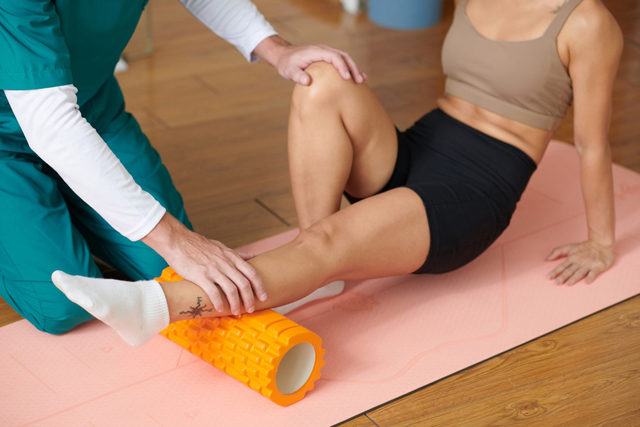
Sports Rehabilitation
Sports Rehabilitation is a structured, physician-guided recovery program designed specifically for athletes and physically active individuals recovering from a sports injury or sports-related surgery.
Learn More

Diabetes Lifestyle Management
Diabetes Lifestyle Management at SEOUL NOVOS HOSPITAL offers comprehensive medical evaluation, glycemic control, and personalized lifestyle guidance for diabetes care.
Learn More
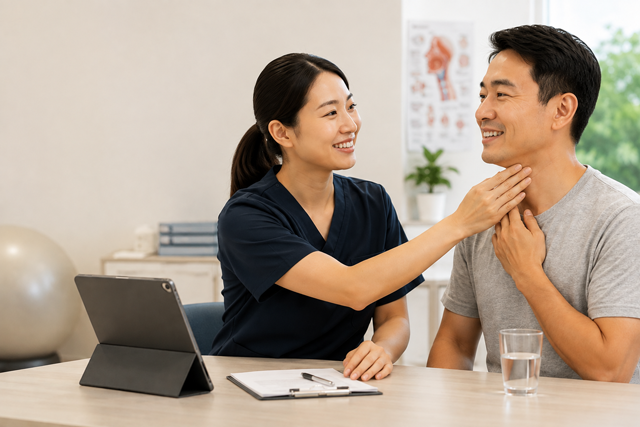
Swallowing Rehabilitation
Swallowing Rehabilitation is a specialized neurological rehabilitation service utilizing clinical evaluation, swallowing therapy, and functional electrical stimulation to diagnose, treat, and overcome dysphagia following stroke or neurological impairment.
Learn More