242 Inpatient Beds · 24-Hour Multidisciplinary Rehabilitation Care in Seoul
4.9 Patient Satisfaction
en-US

· Needs Clinic Confirmation
ADL Training
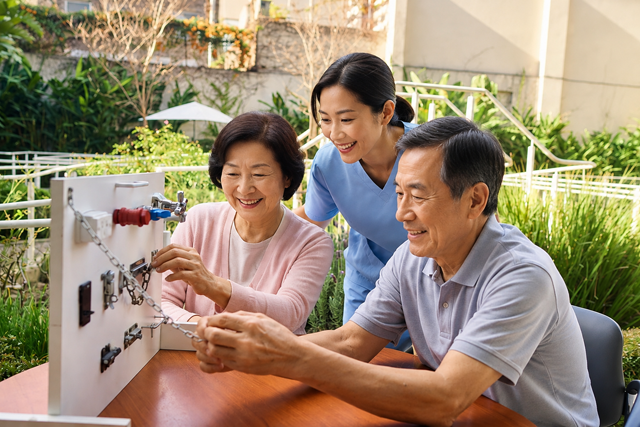
ADL Training at SEOUL NOVOS HOSPITAL helps patients recovering from injury, stroke, or surgery regain independence in daily self-care activities.
Schedule a ConsultationWhat Is ADL Training?
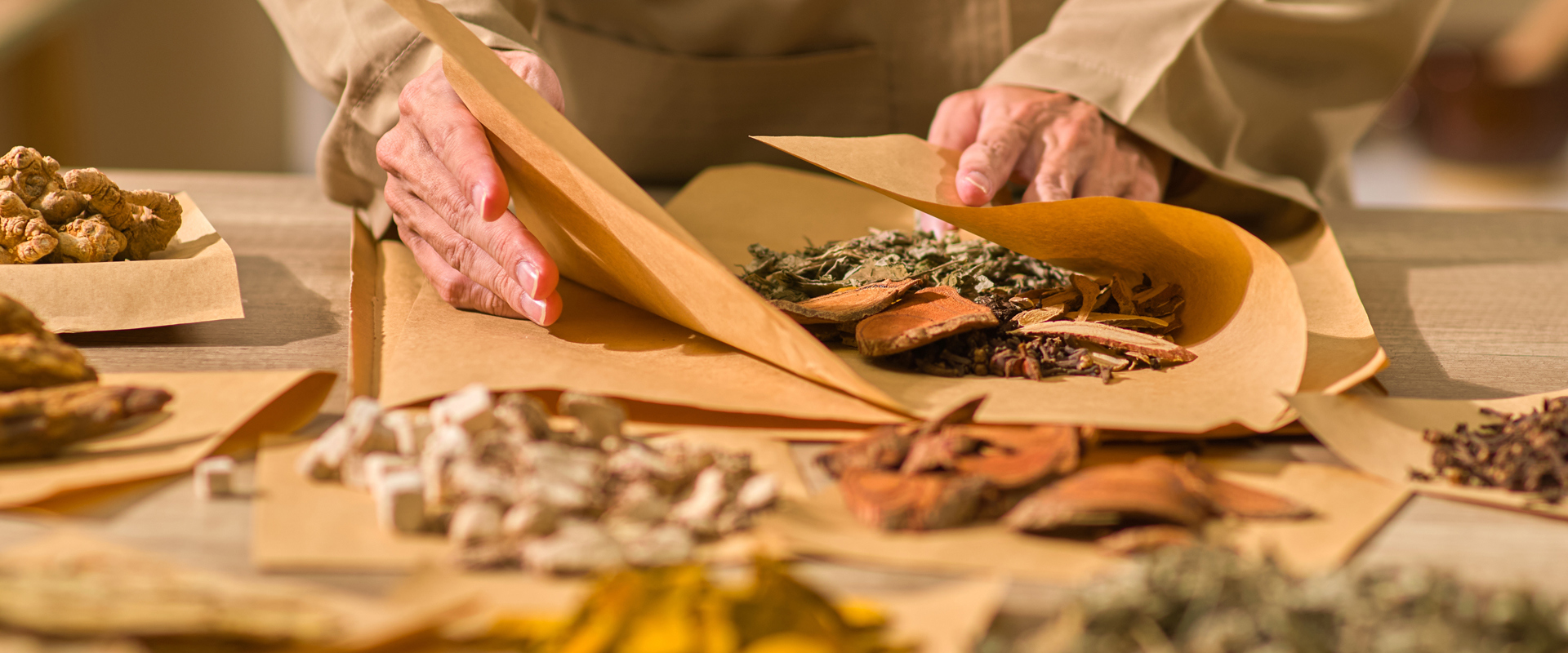
ADL (Activities of Daily Living) Training at SEOUL NOVOS HOSPITAL is a specialized occupational therapy program designed to help patients recovering from stroke, brain injury, spinal cord trauma, orthopedic surgery, or neurological conditions regain functional independence in everyday self-care tasks. Recognizing that true recovery extends beyond clinical milestones into the ability to eat, dress, groom, bathe, and manage household tasks independently, ADL training bridges the gap between clinical rehabilitation and real-world living.
Operating as one of the largest rehabilitation-specialty hospitals in the region with 242 beds, SEOUL NOVOS HOSPITAL integrates occupational therapy directly with inpatient and outpatient rehabilitation. Approximately 150 specialized therapists and 150 nursing staff work collaboratively using shared clinical protocols, ensuring that functional independence goals are practiced and reinforced consistently across every hour of the patient's hospital stay.
Who Needs ADL Training?
ADL Training is essential for individuals whose physical, cognitive, or neurological impairments limit their ability to perform daily self-care and independent living activities.
- Patients recovering from stroke or brain injury experiencing hemiparesis or coordination deficits affecting self-care
- Individuals recovering from orthopedic surgeries (such as hip or knee replacements) needing guidance on safe movement during daily tasks
- Patients with spinal cord injuries learning compensatory techniques and adaptive strategies for independence
- Individuals with neurodegenerative or progressive neurological conditions seeking to maintain functional autonomy for as long as possible
- Patients recovering from major trauma or prolonged hospitalization experiencing generalized deconditioning
- Individuals needing home-readiness assessments and adaptive equipment training prior to hospital discharge
- Families and caregivers seeking professional training to support a loved one's safe return home
Meet the Occupational Therapy Specialist
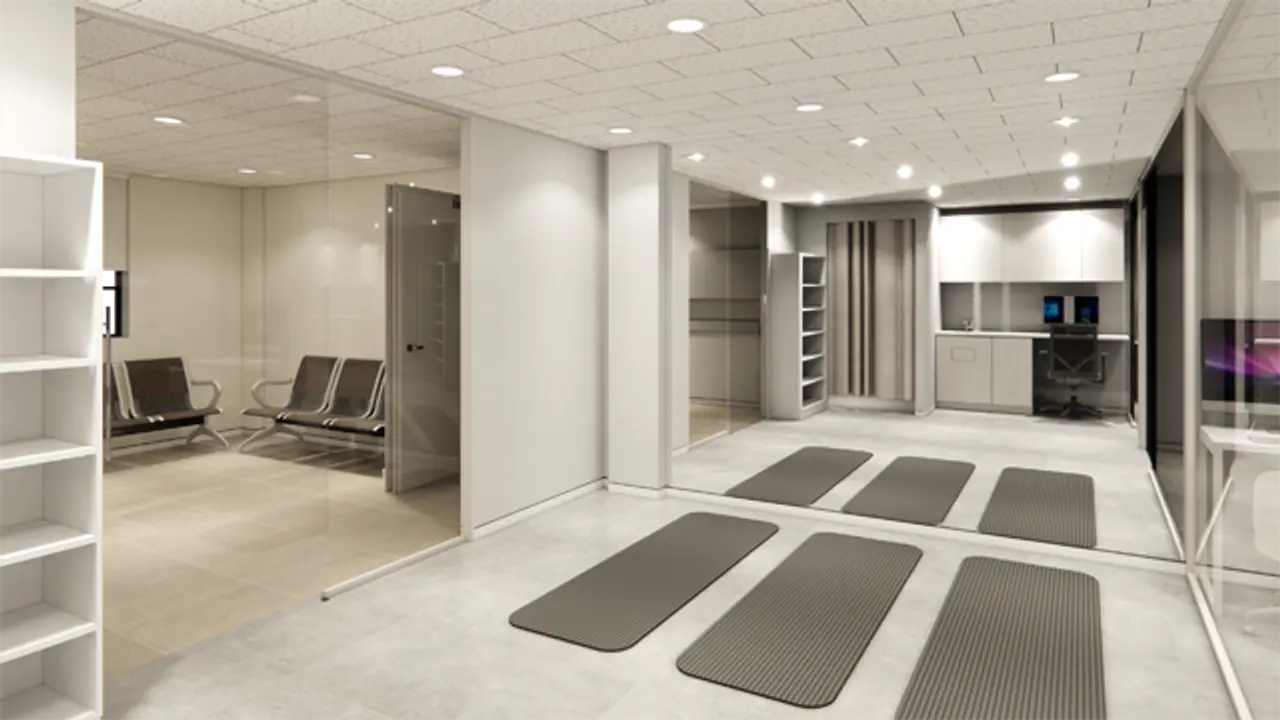
SEOUL NOVOS HOSPITAL Rehabilitation Team
Occupational Therapy & ADL Specialists
ADL Training at SEOUL NOVOS HOSPITAL is led by expert occupational therapists working in close coordination with rehabilitation physicians. The team utilizes evidence-based functional retraining methodologies, simulated living environments, and adaptive technology to maximize each patient's self-care capabilities.
The philosophy guiding ADL training is centered on dignity and practical autonomy: empowering patients to perform everyday tasks independently not only rebuilds physical capability, but also restores confidence, emotional well-being, and a renewed sense of control over their lives.
ADL Training: Treatment Areas and Expected Improvements
- Self-Care Retraining: Structured practice in feeding, dressing, grooming, oral hygiene, and independent bathing techniques.
- Fine Motor Coordination: Therapeutic exercises to improve hand dexterity, finger control, and grasp strength required for daily objects.
- Adaptive Equipment Training: Instruction in utilizing specialized assistive devices (dressing hooks, modified utensils, reachers) to overcome physical barriers.
- Home Simulation and Ergonomics: Practicing kitchen tasks, transfers, and navigation within simulated domestic environments to ensure safe community reintegration.
What to Expect During ADL Training
Before Your ADL Evaluation
Your occupational therapy journey begins with a comprehensive functional assessment conducted by an occupational therapist in coordination with your rehabilitation physician.
The therapist evaluates your current physical strength, joint range of motion, fine motor coordination, balance, and cognitive processing abilities, identifying specific daily self-care tasks that present challenges.
During the Training Sessions
ADL training takes place in our dedicated occupational therapy suites, which feature specialized training equipment and simulated home living environments:
- Task Breakdown: Complex self-care activities are broken down into manageable steps, allowing patients to practice individual components before integrating them into complete routines.
- One-on-One Guided Practice: Therapists work hands-on with patients to practice dressing, grooming, and feeding techniques, gradually reducing assistance as independence improves.
- Compensatory and Adaptive Strategies: Patients learn alternative movement patterns and how to utilize adaptive tools when permanent physical limitations require practical workarounds.
- Caregiver Training: Family members and primary caregivers are invited to participate in selected sessions to learn safe transfer techniques and supportive assistance methods.
After Training and Transition Home
As functional independence improves, therapists conduct final evaluations to assess home readiness and recommend necessary domestic modifications.
For inpatients, ADL training directly supports a safe transition back home, accompanied by home exercise recommendations and outpatient follow-up schedules. For outpatients, ongoing training sessions continue to refine fine motor skills and complex community living tasks until maximum functional autonomy is achieved.
Possible Risks & Limitations
ADL training at SEOUL NOVOS HOSPITAL is conducted in a safe, professionally supervised environment, but patients and families should be aware of certain clinical parameters:
- Physical Fatigue: Engaging in functional retraining can be physically and cognitively demanding; therapy sessions are carefully paced to match the patient's stamina.
- Underlying Deficit Limits: While ADL training maximizes remaining functional capacity, permanent neurological or structural deficits from severe trauma or stroke may place ceilings on absolute independence, requiring ongoing adaptive support.
- Progress Variability: Improvement rates vary significantly based on the nature of the injury, age, cognitive status, and consistency of practice.
- Home Environment Barriers: Achieving independence in a clinical therapy suite must be translated to the patient's unique home environment, which may require structural modifications (such as grab bars or ramps).
How long the benefits of ADL training last depend on regular practice, continued engagement in daily self-care activities, and maintaining physical strength — functional independence is sustained through active use. As with any rehabilitative intervention, individual outcomes depend on the severity of the initial condition, and results should be understood as maximizing practical autonomy rather than reversing permanent tissue damage.
Why Choose SEOUL NOVOS HOSPITAL for ADL Training?
Restoring independence in daily living requires more than occasional exercise; it demands a dedicated rehabilitation environment, expert occupational therapists, and seamless integration with inpatient medical care. As one of the region's leading rehabilitation hospitals with 242 beds, SEOUL NOVOS HOSPITAL provides an ideal ecosystem for functional recovery.
With approximately 150 specialized therapists and 150 nursing staff collaborating across inpatient and outpatient wards, occupational therapy is seamlessly woven into the patient's daily routine. Whether a patient is recovering from a severe stroke or complex orthopedic surgery, ADL training operates in tandem with physical therapy, speech therapy, and physician-led medical management.
For international patients, Russian- and Chinese-language services are in development, with Korean- and Russian-speaking staff available on request to ensure clear communication and comforting support throughout the rehabilitation journey.
What Makes SEOUL NOVOS HOSPITAL Special:
- Dedicated occupational therapy suites and simulated living environments for practical self-care retraining
- Comprehensive multidisciplinary support: approximately 150 therapists and 150 nurses collaborating on functional goals
- 24-hour inpatient rehabilitation capacity supporting intensive, structured daily recovery programs
- Expert guidance on adaptive equipment, home modifications, and safe caregiver assistance techniques
Real Patient Examples
Post-Stroke Self-Care Recovery Patient, 60s
Following an ischemic stroke resulting in right-arm weakness, this patient struggled with basic daily tasks such as eating, buttoning shirts, and personal grooming. Admitted to SEOUL NOVOS HOSPITAL's rehabilitation unit, she underwent daily ADL training combining fine motor retraining, one-handed adaptive techniques, and assistive device instruction. Within weeks, she regained the independence needed to manage her daily self-care routines with confidence.
Post-Orthopedic Surgery Patient, 70s
Recovering from complex hip replacement surgery, this patient faced difficulties with lower-body dressing, bathing, and safe transfers. Working with our occupational therapists, he learned specialized movement precautions, utilized dressing aids, and practiced safe bathroom transfers in our simulated living suite, enabling a smooth, confident return to independent home living.
Reclaim Your Independence
Everyday tasks matter. Whether you are recovering from a stroke, surgery, or injury, professional ADL training can help you regain your independence, confidence, and quality of life.
[Schedule Your Rehabilitation Consultation] — Meet with our rehabilitation team for a comprehensive functional assessment, expert occupational therapy recommendations, and a personalized recovery plan.
FAQ
items
metaData
Other Services
Explore additional treatments offered by our specialists.
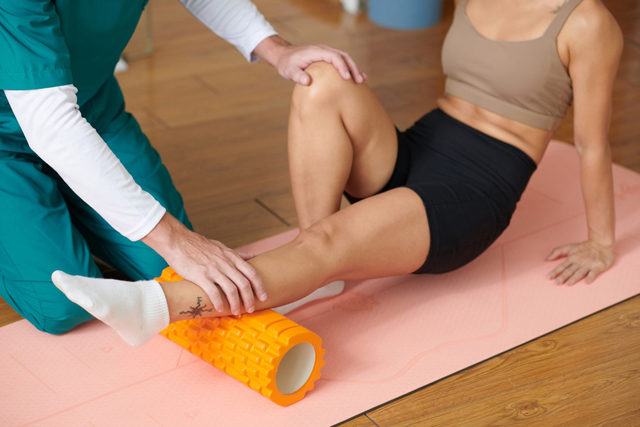
Sports Rehabilitation
Sports Rehabilitation is a structured, physician-guided recovery program designed specifically for athletes and physically active individuals recovering from a sports injury or sports-related surgery.
Learn More

Diabetes Lifestyle Management
Diabetes Lifestyle Management at SEOUL NOVOS HOSPITAL offers comprehensive medical evaluation, glycemic control, and personalized lifestyle guidance for diabetes care.
Learn More
Swallowing Rehabilitation
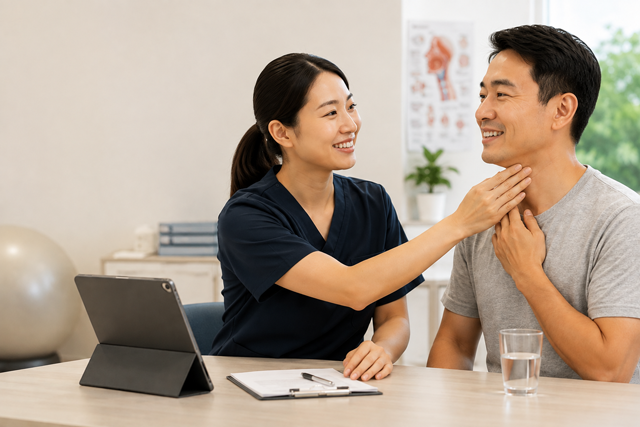
Swallowing Rehabilitation is a specialized neurological rehabilitation service utilizing clinical evaluation, swallowing therapy, and functional electrical stimulation to diagnose, treat, and overcome dysphagia following stroke or neurological impairment.
Learn More