242 Inpatient Beds · 24-Hour Multidisciplinary Rehabilitation Care in Seoul
4.9 Patient Satisfaction
en-US

Medical Guide
Cognitive Rehabilitation Explained: Benefits and Treatment Goals
Cognitive Rehabilitation Explained: Discover the benefits, treatment goals, and techniques of cognitive rehabilitation to improve daily function and recovery. Learn more!
Schedule a ConsultationCognitive Rehabilitation Explained: Benefits and Treatment Goals

Cognitive impairment resulting from stroke, traumatic brain injury, or neurological conditions can profoundly affect a person's independence, work, and daily life. While physical rehabilitation helps patients regain mobility, cognitive rehabilitation focuses on restoring or compensating for mental functions such as memory, attention, problem-solving, and executive functioning.
At SEOUL NOVOS HOSPITAL in Dobong-gu, Seoul, our cognitive rehabilitation programs are tailored to each patient's specific deficits and recovery goals. Under the clinical direction of experienced rehabilitation specialists, our multidisciplinary team uses evidence-based therapeutic techniques to help patients rebuild cognitive skills and regain confidence in daily activities.
What Is Cognitive Rehabilitation?
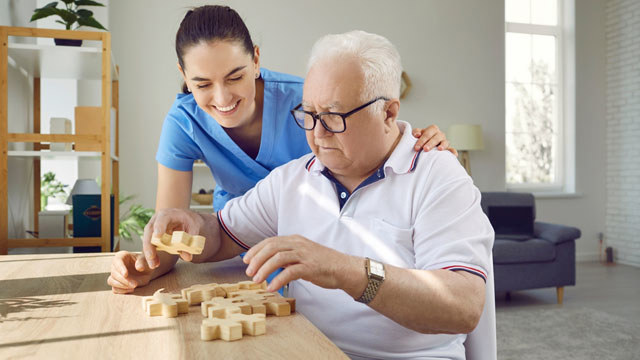
Cognitive rehabilitation is a structured, goal-oriented therapeutic approach designed to improve cognitive functioning and assist individuals in managing the everyday challenges of cognitive deficits. It encompasses two primary methodologies:
- Restoration (Remediation): Exercises and tasks designed to rebuild or stimulate underlying cognitive skills through repetitive practice.
- Compensation: Teaching patients practical strategies, organizational tools, and environmental modifications to work around persistent deficits and maintain independence.
Key Areas Addressed in Cognitive Rehabilitation
Cognitive rehabilitation targets several core domains of mental functioning:
- Attention & Concentration: Improving the ability to focus on tasks, filter out distractions, and sustain attention over time.
- Memory & Recall: Utilizing internal memory techniques and external aids (such as planners, digital reminders, and memory notebooks) to enhance recall of daily information.
- Executive Functioning: Strengthening planning, organization, decision-making, and problem-solving abilities necessary for managing household responsibilities or returning to work.
- Processing Speed: Enhancing the speed at which information is processed and acted upon during complex tasks.
Recovery, Safety, and Realistic Outcomes
Recovery from cognitive impairment varies significantly from patient to patient and depends on factors such as the severity of the underlying injury, the patient's overall health, age, and how early rehabilitation begins after diagnosis. While many patients experience meaningful improvement in memory, attention, and daily functioning through structured cognitive therapy, outcomes cannot be guaranteed, and progress is typically gradual rather than immediate.
Some patients regain a significant degree of their prior cognitive function, while others make gains that are more modest but still meaningful for daily independence, such as managing a simplified routine or communicating more effectively with family. Setting realistic, individualized goals at the outset helps patients and families track meaningful progress without focusing solely on a return to a pre-injury baseline that may not always be achievable.
Safety is supported through ongoing medical supervision, regular reassessment by the rehabilitation team, and close coordination between rehabilitation medicine, neurology, and therapy staff. Because cognitive status can influence judgment and safety awareness, therapists also work closely with nursing staff and family members to reduce fall risk during the recovery period.
Patients and families are encouraged to maintain realistic expectations and to view cognitive rehabilitation as part of a longer-term recovery process rather than a quick fix. Consistent participation in therapy, along with support from family at home, often plays an important role in sustaining progress after formal treatment concludes.
Frequently Asked Questions
How long does cognitive rehabilitation typically take? Duration varies depending on the severity of impairment and underlying diagnosis. Some patients participate for several weeks, while others with more significant impairment may continue for months, with progress reassessed periodically.
Is cognitive rehabilitation only for stroke patients? No. While stroke is one of the most common reasons patients seek cognitive rehabilitation, it is also used for traumatic brain injury, certain neurological conditions, and cognitive changes following major surgery or prolonged hospitalization.
Can family members be involved in the therapy process? Family involvement is often encouraged, particularly for memory strategy training and discharge planning, since reinforcing strategies at home can support longer-term progress.
Conclusion
Cognitive rehabilitation plays an important role in helping patients recovering from stroke, brain injury, or neurological conditions regain independence in daily life. At Seoul Novos Hospital in Dobong-gu, Seoul, this therapy is delivered through a coordinated, multidisciplinary approach under the direction of experienced rehabilitation medicine specialists, supported by advanced diagnostic technology and a dedicated care team. Patients considering cognitive rehabilitation are encouraged to consult with the hospital's rehabilitation medicine team to determine whether this approach is appropriate for their individual condition and recovery goals.
FAQ
items
metaData
More Articles
Continue reading our clinical guides.
Cognitive Rehabilitation Explained: Benefits and Treatment Goals
Cognitive Rehabilitation Explained: Discover the benefits, treatment goals, and techniques of cognitive rehabilitation to improve daily function and recovery. Learn more!
Learn More

When Speech Therapy Is Recommended
When Speech Therapy Is Recommended: Learn the signs, conditions, and benefits of speech therapy to improve communication, swallowing, and quality of life. Learn more!
Learn More

How Sports Rehabilitation Helps You Recover Faster After an Injury
Recover faster after an injury with sports rehabilitation. Learn how targeted therapy restores strength, prevents re-injury, and gets you back in action.
Learn More